

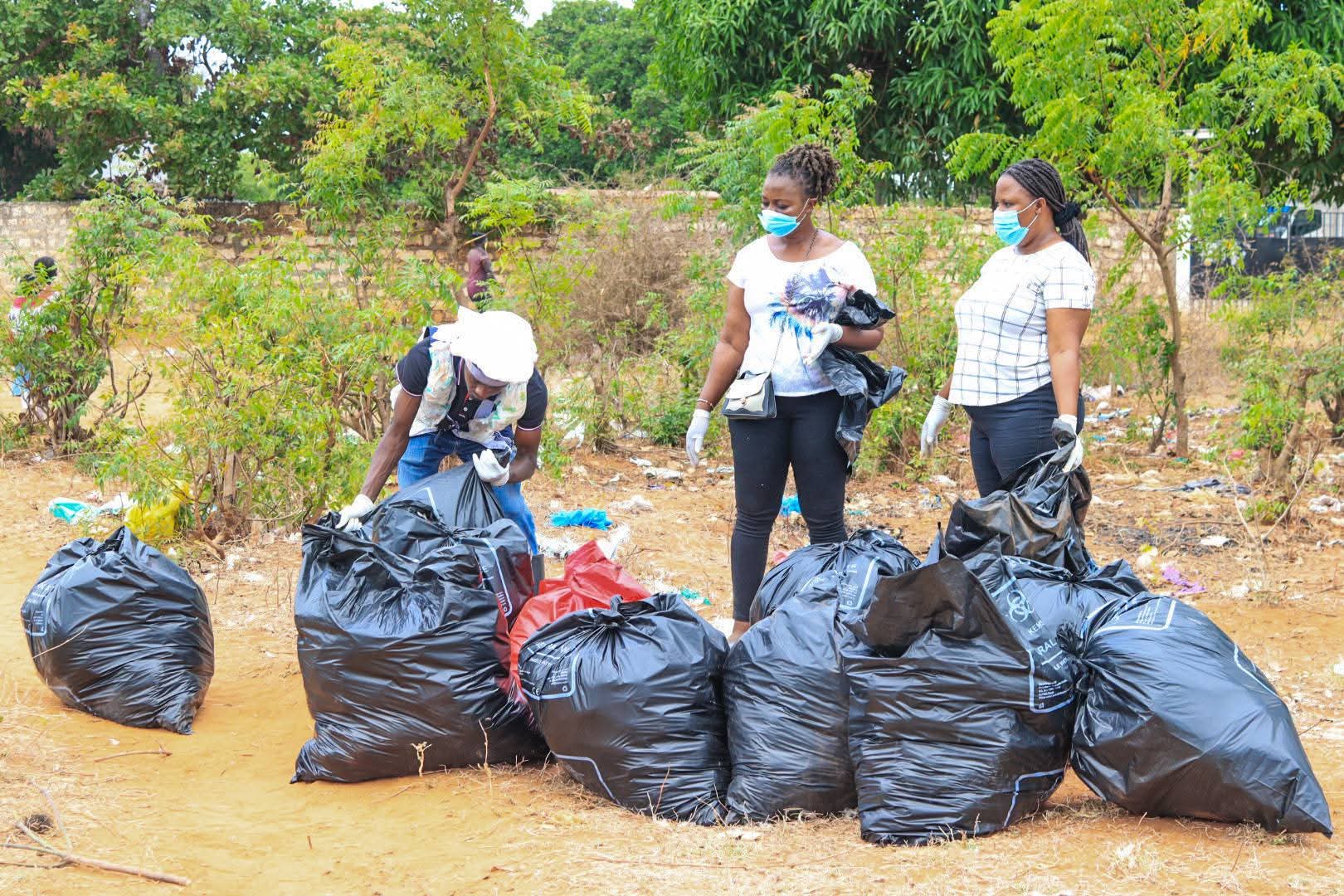
A community-led clean-up exercise in the Kiwandani area of Sokoni Ward has collected 1.2 tonnes of diaper waste, highlighting the urgent sanitation challenges facing Kilifi County.
Held in January this year, the initiative brought together residents, local officials, and environmental stakeholders to tackle one of the most persistent pollutants in urban areas. The drive was spearheaded by environmental advocate Kevin Anungo as part of his “72-hour Diaper Collection Challenge,” a campaign designed to raise awareness about responsible sanitary waste disposal.
“Diaper waste is not just a cleanliness issue; it is a public health and environmental crisis,” Anungo said. “When dumped in open spaces, waterways, or informal dumpsites, they expose communities—especially children—to serious health risks.”
Health and Environmental Risks
Disposable diapers, composed largely of plastics and super-absorbent polymers, take hundreds of years to decompose. When managed poorly, they clog drainage systems—exacerbating flooding—and pollute water sources.
Public health experts warn that the human waste contained in used diapers harbors harmful bacteria and viruses. Leaving this waste exposed attracts flies and rodents, increasing the transmission of diseases such as cholera and dysentery. The risk is particularly high in coastal communities that rely on shallow wells, which can be contaminated by runoff during heavy rains.
Beyond immediate health concerns, the waste threatens Kilifi’s marine ecosystem. As plastics break down into microplastics, they enter the food chain, endangering fish stocks and marine life like sea turtles.
Impact on Tourism
Stakeholders emphasized that environmental degradation poses a direct threat to tourism, a cornerstone of Kilifi’s economy. Operators noted that waste accumulating on beaches and near residential areas damages the county’s image and deters investment.
“Environmental cleanliness is not optional for a tourism destination,” said a local tourism stakeholder. “When communities take ownership of their environment, everyone benefits—from hotel workers to small traders.”
Sustainable Solutions
Participants in the Sokoni Ward exercise stressed that sustainable management requires more than sporadic clean-ups. They called for continuous public education, proper waste segregation, and better disposal infrastructure, including designated collection points and potential recycling solutions.
“Cleaning up is important, but preventing waste is even more critical,” Anungo added. “When communities understand the impact of their daily habits, real change becomes possible.”
Through collective action, Kilifi residents are taking practical steps to safeguard public health and protect the region’s fragile coastal environment.