

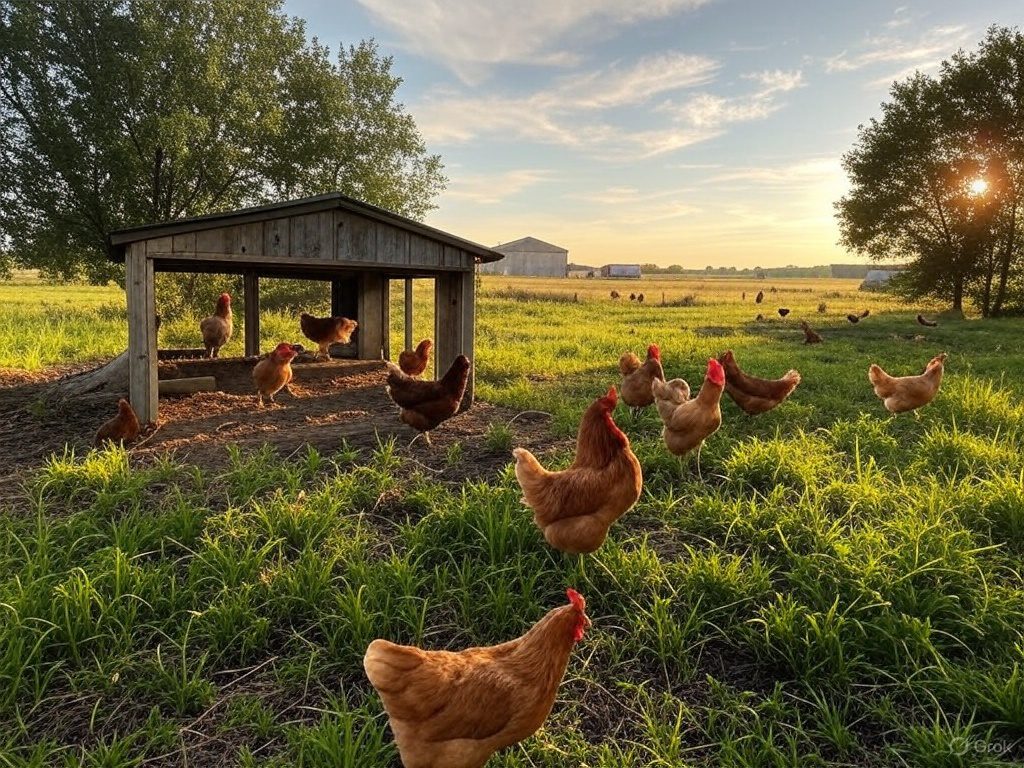
Poultry farming is becoming a promising venture for small-scale entrepreneurs across Kenya, thanks to its low entry costs and the growing demand for organic poultry products. According to agricultural experts at Farmworx Kenya, aspiring farmers can start with as little as KES 5,000 using the indigenous Kienyeji chicken model or around KES 50,000 for broiler production.
The Kienyeji model, which is favored for its resilience and low maintenance, involves a starter kit that comprises 10 chicks, a basic coop, and feed under a free-range system. Farmworx estimates that this setup costs approximately KES 5,000, making it highly accessible for rural and backyard farmers.
In contrast, broiler farming is known for its rapid meat production but requires a more substantial investment. Starting a venture with 100 broiler chickens typically costs about KES 10,000 for day-old chicks, KES 32,000 for feed, and KES 8,000 for vaccinations and miscellaneous expenses, totaling around KES 50,000.
Experts caution that success in poultry farming relies on more than just low startup costs. Efficient feed sourcing through bulk purchases, local ingredients, or foraging is essential to maintain profitability. Vaccination and strict biosecurity measures are also critical to prevent disease outbreaks and losses.
“Seriously, feed will end your business if you don’t have a cheap source… VACCINATE, VACCINATE,” one entrepreneur warned in a candid post, emphasizing the importance of isolating new birds before introducing them to existing flocks.
Improved Kienyeji breeds are increasingly popular due to their organic appeal, disease resistance, and premium market prices. With minimal space and basic infrastructure, poultry farming offers a viable path to income generation, especially in rural communities.
Farmworx Kenya continues to support new farmers with training and resources, reinforcing poultry farming as a sustainable and scalable business opportunity.