

Putting Money Back in the Pocket:
For millions of Kenyans, the SACCO is more than just a financial institution—it’s the “Chama” that bought the family land, the emergency loan that paid the hospital bill, and the safe haven for the “Mama Mboga” or Boda Boda rider looking to grow.
However, as the cost of living continues to climb, these vital financial lifelines are feeling the pressure of outdated tax laws. In a move to protect the common man’s wallet, the Kenya Union of Savings and Credit Cooperatives (KUSCCO) has submitted a series of proposals to the National Treasury, aimed at making life a little easier for the “hustler” and the salaried worker alike.
- Fair Play
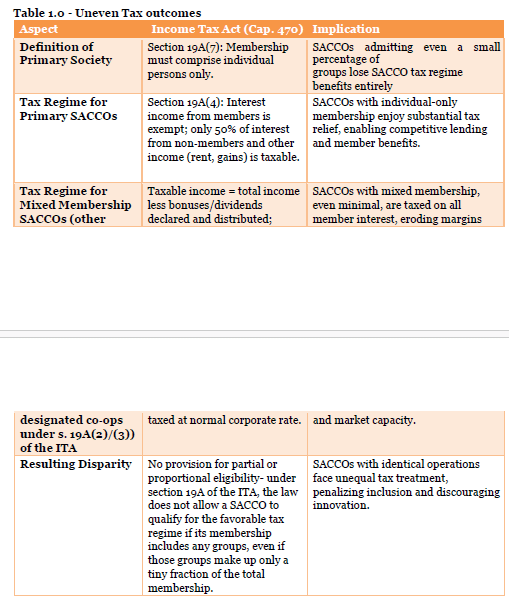
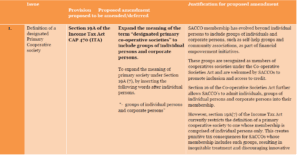
Currently, the law has a bit of a blind spot. While SACCOs have evolved to allow self-help groups and community associations to join as members, the tax code hasn’t quite caught up. Right now, if a SACCO opens its doors to these groups, it faces punitive tax consequences because the law technically only recognizes “individuals” as members of a primary cooperative.
KUSCCO is asking the Treasury to fix this glitch. By broadening the definition of a “primary cooperative” to include groups of individual persons and corporate persons, the goal is to ensure that a group of youth saving together for a carwash business isn’t taxed more harshly than a single wealthy individual. It’s about fairness and making sure no one is penalized for working together.
- Ending the Fee Burden
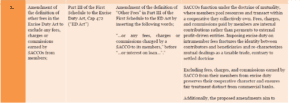
One of the most frustrating things for a SACCO member is seeing “Excise Duty” sliced off their hard-earned savings or loan processing fees. KUSCCO argues that SACCOs aren’t like traditional, profit-hungry commercial banks. They operate on a “doctrine of mutuality”—essentially, it’s members doing business with themselves.
The proposal asks to exempt SACCO member fees and commissions from Excise Duty. By removing this “hidden tax,” KUSCCO hopes to lower the cost of borrowing significantly. This means when a member takes a loan to expand their small business, more of that money stays in their pocket rather than disappearing into the taxman’s coffers.
- A Breathing Room for the Paycheck
Perhaps the most relatable proposal concerns the “take-home” pay. With the recent introduction of the Affordable Housing Levy, the new SHIF (Social Health Insurance Fund) contributions, and rising NSSF rates, the average Kenyan employee’s payslip is looking a bit thin.
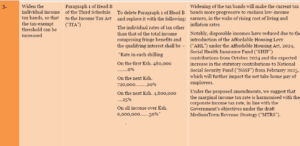
KUSCCO is pushing the government to widen the individual income tax bands. By shifting the tax brackets, KUSCCO wants to cushion low-income earners against inflation. The idea is simple: if the government wants a “Bottom-Up” transformation, it needs to stop taking so much from the bottom. Widening these bands would provide an immediate boost to the disposable income of millions, allowing families to better manage the rising cost of milk, flour, and fuel.
By easing the tax burden on SACCOs and their members, the union argues the government isn’t just helping a sector—it’s helping the person on the street survive and thrive in a tough economy.