

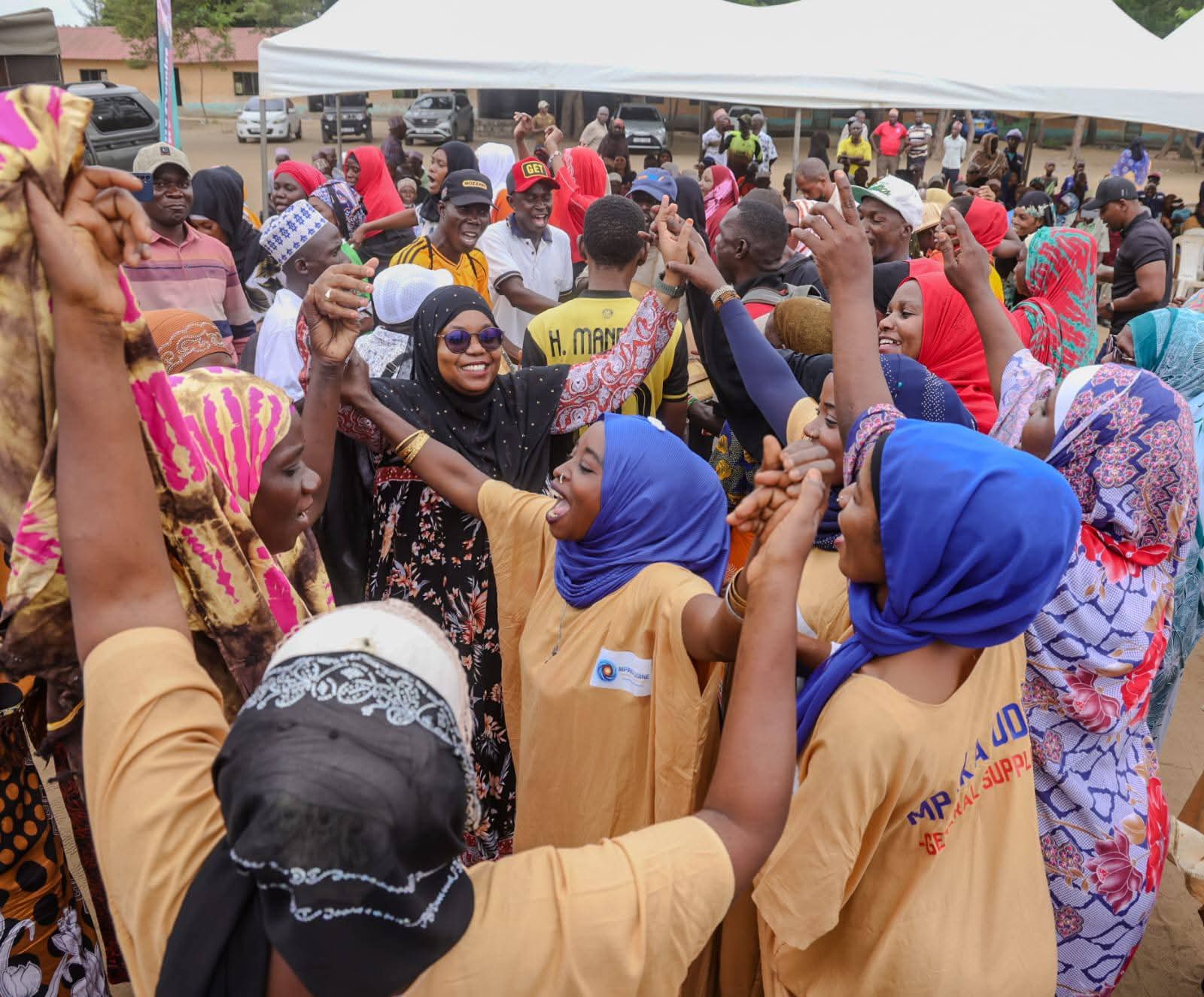
Governor Fatuma Achani recently spearheaded an empowerment drive at Kombani Primary School, signaling a strategic shift in how the county tackles poverty and unemployment.
During the event, 37 women and youth groups received cash boosts and income-generating equipment—including 800 chairs and eight tents—while 80 young people were awarded full county sponsorships for driving school. While these figures are impressive, they represent a deeper transition from temporary “handouts” to sustainable enterprise.
Assets for the Local Economy
The choice of equipment is deliberate. In Kwale, chairs and tents are high-demand assets for the local events economy, serving weddings, funerals, and community functions year-round. By equipping organized groups rather than individuals, the administration ensures collective ownership and accountability, helping women and youth overcome structural barriers to capital.
Similarly, the driving school sponsorships provide a direct path to employment. In a region challenged by joblessness, a driving license serves as a gateway to the logistics, tourism, and ride-hailing sectors, easing the financial burden on families while professionalizing the local labor force.
This drive is part of a larger “quiet revolution.” Since 2022, the Achani administration has supported the formation of over 400 local companies, more than 300 of which have already secured tenders in both the public and private sectors.
Beneficiaries like Rock Talent Limited and Voroni Enterprise exemplify this shift. No longer marginal survival ventures, these are now structured entities capable of reinvestment and job creation. By lowering entry barriers to the formal economy, the county is enabling local businesses to compete and grow independently of government control.
Impact Beyond Business
The economic ripple effects are most visible in the education sector. Governor Achani noted that many beneficiaries are now using business profits to pay school fees—one of the heaviest financial burdens for Kwale households. By turning empowerment into a reliable income stream, the administration is helping families break the cycle of poverty more effectively than traditional bursaries alone.
The initiative has also earned praise for its political alignment. Matuga MP Kassim Tandaza highlighted the importance of leadership unity, noting that when county and national leaders collaborate, public resources are deployed more efficiently and community trust deepens.
Community members have testified that this model outperforms traditional “table banking” or savings groups, which often lack the capital to scale. By injecting new resources and linking groups to broader markets, the county is moving local growth from incremental to exponential.