

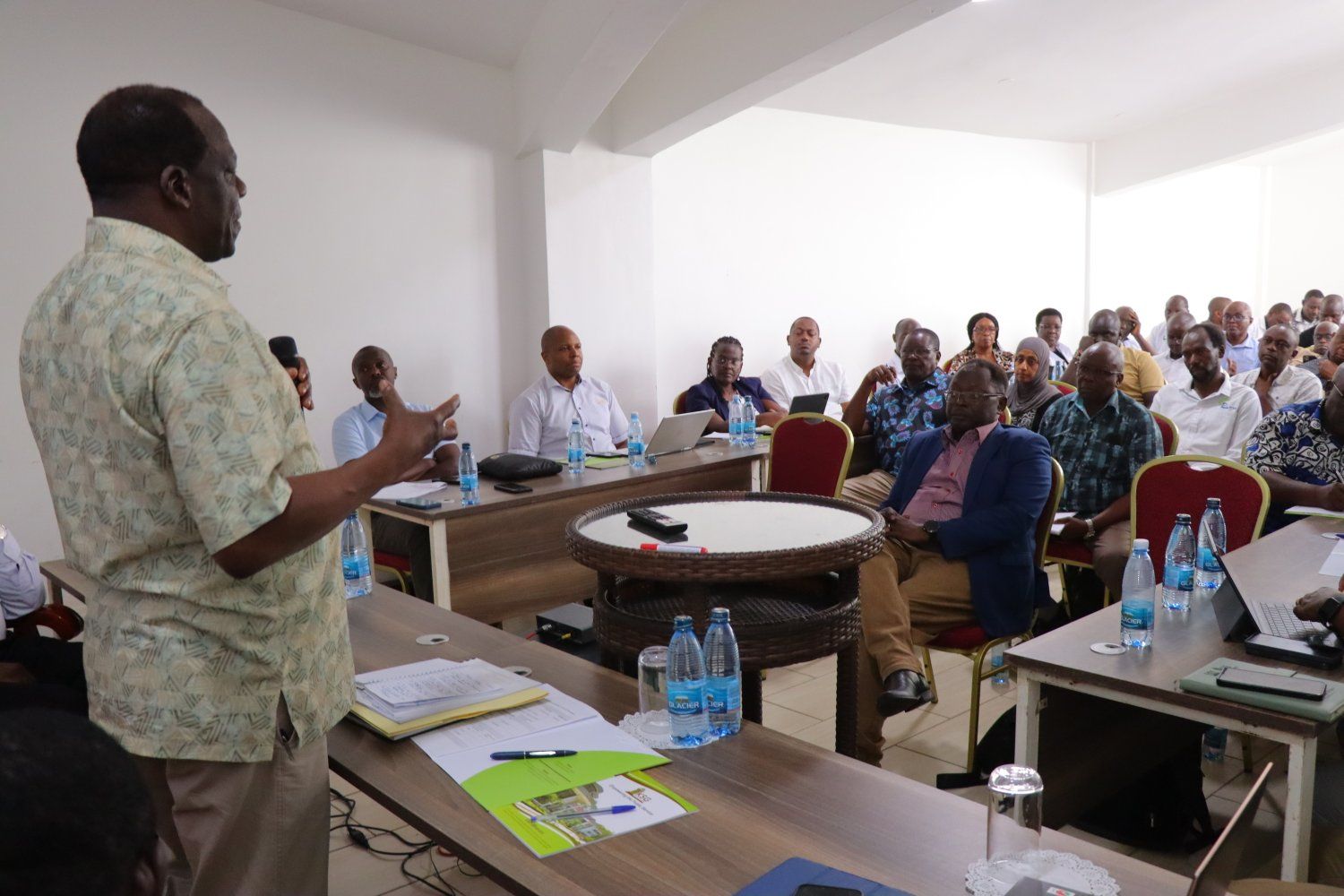
Delegate System Strengthens Member Voice as SACCO Governance Model Gains Renewed Attention
SACCO leadership delegate governance structure is designed to keep decision-making both democratic and efficient, giving members a stronger, more accountable voice at the highest levels of the organization.
Under the model, members elect delegates directly from their own zones, with a clear mandate to carry local concerns into the SACCO’s top decision-making forum, the Annual Delegates Meeting. Officials say the arrangement ensures representation is not abstract, but rooted in each delegate’s home constituency.
That representation comes with built-in accountability. Delegates who fall short of expectations can be recalled through a formal petition, provided it is signed by at least two-thirds of members in their electoral unit, a mechanism designed to keep delegates answerable to the people who elected them.
The system also doubles as a leadership pipeline. Members can progress from grassroots participation to delegate status and, eventually, to a seat on the board, creating what officials describe as a structured pathway for developing future leaders from within the membership itself.
To keep pace with that responsibility, delegates are required to attend regular education seminars, ensuring they arrive at Annual Meetings informed and equipped to make decisions that are both strategic and aligned with member interests.
Importantly, the model is built to reach members who cannot physically attend meetings. By electing delegates to speak on their behalf, the SACCO says it guarantees that democratic rights are exercised in full, regardless of a member’s ability to be present.
Certain powers, however, remain firmly in members’ hands. Decisions on dissolution, amalgamation, or any transaction exceeding 25% of total assets cannot be delegated; they require direct member approval, safeguarding ownership rights from being diluted through the representative structure.
Delegates are also bound by a feedback obligation, required to report back to their zones on key resolutions and policy decisions, so members stay informed even when they were not in the room where decisions were made.
Finally, the system makes space for co-opted delegates who represent special interest groups, ensuring that no segment of the membership — however specific its interests — is left without a voice in governance.
Taken together, SACCO officials say the structure is intended to balance efficiency with inclusion: enabling swift, informed decisions at scale while ensuring every member, directly or through a delegate, retains a genuine stake in how the organization is run.
Last year, the national government directed all large Saccos with over 5,000 members to transition from annual general meeting governance to a delegate system.