
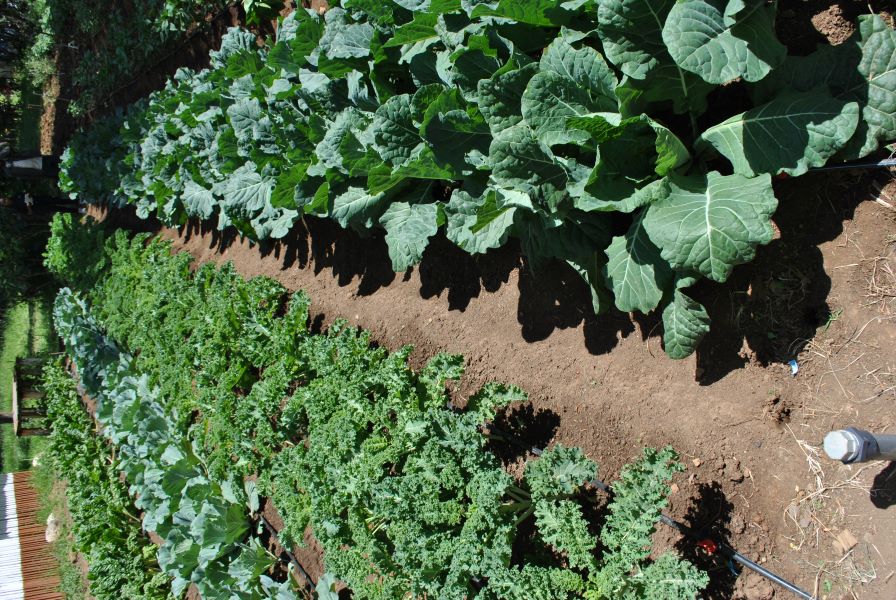
SACCO lending in the final quarter of 2025 shifted significantly toward productive sectors, with agriculture emerging as the leading recipient of credit. This is according to The SACCO Industry Quarterly Statistical and Soundness Report Quarter Four – December 2025 released by the Sacco Societies Regulatory Authority (SASRA) recently. The sector secured the largest share of new loans as cooperative members ramped up financing for farming activities, underscoring the central role agriculture plays in local livelihoods. While trade, manufacturing, education, and human health also recorded substantial borrowing, lending for investment and insurance activities saw a slight decline during the period.
Agriculture’s total share of SACCO lending rose to 21.01% in December, making it the second-most funded sector in the country, trailing only Land and Housing.
- Animal Production Boom: This sub-sector experienced the most consistent growth, surging from Ksh 4.44 billion in March to Ksh 12.81 billion by December. It now rivals crop farming for the largest share of agricultural credit.
- Crop Farming Recovery: After a mid-year dip to Ksh 9.73 billion in September, crop farming credit rebounded to Ksh 13.44 billion in Q4, a spike likely driven by the short-rain planting season.
- Stabilized Agribusiness: Credit for agribusiness remained relatively flat throughout 2025, ending the year at Ksh 0.82 billion.
The Trade and Manufacturing sectors remained active in 2025, reflecting their critical role in supporting Micro, Small, and Medium Enterprises (MSMEs). Trade remains the fourth-largest sector for SACCO lending, consistently absorbing over 12% of total credit.
- Stable Demand: Despite broader economic fluctuations, demand for credit in wholesale and retail trade remained steady.
- MSME Support: This segment primarily funds inventory and working capital, acting as a vital liquidity provider for local entrepreneurs.
While manufacturing accounts for a modest 1.86% (approx. Ksh 2.52 billion) of the total loan book, it represents a strategic growth niche for industrial cooperatives.
- Inter-Sector Linkages: Much of the manufacturing credit is tied to agriculture, specifically in food processing and value addition, such as milk cooling plants and grain milling.
Sectoral Comparison: Total Loan Book Share (December 2025)
- Land & Housing: 26.06%
- Agriculture: 21.01%
- Education: 19.80%
- Trade: 12.27%
- Community & Social Services: 7.50%
- Manufacturing: 1.86%
The lower percentage in manufacturing suggests that while SACCOs excel at funding property and personal development, there is significant room to deepen support for the country’s industrialization goals.
Together, Education and Human Health represent over 22% of total sectoral lending, illustrating the vital role SACCOs play in financing essential services.
- Education Sector: Education remains the third-largest destination for SACCO credit. In Q4 2025, SACCOs disbursed Ksh 26.83 billion toward tuition and related services. While this represented 19.80% of the portfolio in December, the sector peaked in September (Q3) at Ksh 31.71 billion, coinciding with the start of the final school term and exam preparations.
- Human Health: This sector showed consistent, quarter-over-quarter growth. Credit reached a record high of Ksh 3.73 billion in December 2025, up from Ksh 2.13 billion in March. Health and related services now account for 2.76% of all SACCO lending.
The Consumption and Social Services sector saw a slight contraction in the final quarter, with credit uptake falling to Ksh 11.41 billion from Ksh 12.52 billion in September. Despite the dip, it remains a lifeline for members managing daily household needs.
Breakdown of Spending (Q4 2025):
- Consumer Staples: The largest sub-sector, with Ksh 4.63 billion disbursed for essential everyday goods.
- Consumer Durables: Members borrowed Ksh 3.22 billion for long-term items like appliances and furniture.
- Utilities: Financing for water and electricity accounted for Ksh 2.92 billion.
- Social & Communal Expenses: Though the smallest portion, credit for community-related costs doubled from Ksh 0.29 billion in September to Ksh 0.64 billion in December.
Credit uptake in Finance, Investment, and Insurance declined to Ksh 6.62 billion in Q4, down from Ksh 7.94 billion in September. This category reflects how members use SACCOs to build wealth and engage with the broader financial ecosystem.
- Investments: The largest sub-sector, with Ksh 2.21 billion disbursed to help members grow their investment portfolios.
- Mortgage Finance: Borrowing for long-term property acquisition rose slightly to Ksh 1.82 billion.
- Institutional Linkages: Borrowing to bridge interactions with Commercial Banks and Microfinance institutions totaled Ksh 1.31 billion and Ksh 1.05 billion, respectively.
- Insurance: While the smallest portion at Ksh 0.22 billion, credit for insurance premiums has successfully doubled since the beginning of the year.
——————————————————————————————————–
SACCO Sector Hits New Milestone
The SACCO sector achieved a historic milestone in 2025, with total assets surging to Ksh 1,209.55 billion, an 11.91% year-on-year growth. According to SASRA’s The Sacco Industry Quarterly Statistical and Soundness Report Quarter Four – December 2025, this expansion was driven by a 10.83% increase in member deposits (Ksh 831.91 billion) and a 12.52% rise in gross loans (Ksh 948.31 billion). Total industry income reached Kss 172.44 billion.
Financial soundness improved across the board. The Non-Performing Loan (NPL) ratio for Deposit-Taking SACCOs (DT-SACCOs) dropped to 5.41% from 6.15%, nearing the 5% target. DT-SACCOs maintained a robust liquidity ratio of 74.50%—well above the 15% statutory minimum—and grew their core capital to Ksh 190.96 billion.
Economic Impact
In Q4 2025 alone, SACCOs disbursed Kshs 135.48 billion in credit. Land ownership remained the primary driver of credit uptake at Kshs 19.55 billion. Agriculture saw a significant seasonal surge, accounting for 21.01% of total financing in December, up from 16.64% in September. Specific allocations included Kshs 13.44 billion for crop farming and Kshs 12.81 billion for animal production.
Segment Comparison
While DT-SACCOs lead in scale, Non-Withdrawable Deposit-Taking SACCOs (NWDT-SACCOs) also showed recovery.
- NPL Ratios: DT-SACCOs (5.41%) vs. NWDT-SACCOs (6.36%).
- Capital Adequacy: DT-SACCOs maintained a core capital ratio of 17.86%, while NWDT-SACCOs stood at 12.79%.
- Liquidity: DT-SACCOs held 74.50% compared to 19.28% for NWDT-SACCOs.
- Profitability: Both segments remained efficient, with a Return on Assets (ROA) of 4.09% (DT) and 4.03% (NWDT).
Financial Performance Indicators for Regulated SACCOs 2025
Comparative Table: Totals (Year-End)
| Indicator | Dec 2024 (Kshs) | Dec 2025 (Kshs) | Growth (%) |
| Total Assets | 1,080.87 Billion | 1,209.55 Billion | +11.9% |
| Gross Loans | 842.80 Billion | 948.31 Billion | +12.5% |
| Total Deposits | 750.63 Billion | 831.91 Billion | +10.8% |
| Total Income | 154.31 Billion | 172.44 Billion | +11.7% |
| Reserves | 218.90 Billion | 251.80 Billion | +15.0% |