

Lenders are rolling out technology-driven solutions to widen access to credit, improve cash-flow management and help small businesses navigate an increasingly competitive economy.
Banking sector in the country is stepping up efforts to address the financial challenges facing micro, small and medium enterprises (MSMEs), with lenders investing in digital solutions designed to expand access to credit, streamline financial management and support business growth.
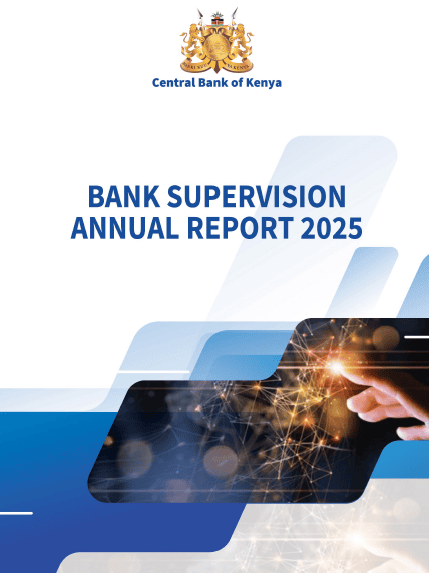
According to the Central Bank of Kenya’s (CBK) Bank Supervision Annual Report 2025, commercial banks are increasingly developing tailored products to address longstanding barriers to MSME growth, including limited access to financing and inadequate tools for managing day-to-day business operations.
The shift reflects the critical role MSMEs play in employment creation and economic growth. Beyond lending, banks are offering solutions that support working capital, business expansion and financial protection, alongside services designed to help enterprises manage cash flow and improve returns on their funds.
Flexible repayment arrangements are also emerging as an important feature, allowing businesses to access financing on terms better suited to their operating cycles and revenue patterns.
Digital innovation is central to the changing relationship between banks and small businesses. According to the CBK report, lenders are increasingly leveraging technology to improve service delivery, reduce costs and reach enterprises that have traditionally struggled to access formal financial services.
Several trends are shaping this transition.
Integrated digital platforms
Banks are increasingly adopting digital platforms that connect with accounting, payroll, inventory management and enterprise resource planning (ERP) systems used by businesses.
These integrations enable real-time data sharing, automated reconciliation and more efficient cash-flow management. Analytics dashboards also give business owners greater visibility into sales, working capital cycles and credit utilisation, helping them make better-informed financial decisions.
Support for cross-border business
As more enterprises engage in international trade, banks are expanding digital platforms to support multicurrency transactions and cross-border payments in line with international standards.
Digital customer support, including AI-powered chatbots and remote relationship management, is also helping businesses access assistance beyond conventional banking hours and geographical boundaries.
Lower costs and wider access
Banks are also seeking to make financial services more affordable by simplifying customer onboarding, reducing transaction costs and using alternative data to assess creditworthiness.
These approaches can help lenders evaluate businesses that may lack extensive credit histories or conventional collateral, potentially widening access to financing for early-stage enterprises and those underserved by traditional lending models.
Banking anytime, anywhere
Mobile and web-based platforms are extending banking services beyond physical branches. Through digital channels, MSMEs can open accounts, apply for loans, make payments and monitor transactions in real time.
This is particularly important for businesses operating in remote areas and informal markets, where access to conventional banking infrastructure may be limited.
Building business management skills
Recognizing that financing alone does not guarantee business success, banks are increasingly incorporating financial education and management tools into their digital platforms.
These include cash-flow forecasting, bookkeeping support, financial literacy resources and advisory content tailored to different stages of business development. Such tools can help entrepreneurs strengthen financial management, plan for growth and make more sustainable business decisions.