
A new report by the Committee of Experts on the transformation of the Kenyan SACCO system has unmasked three systemic vulnerabilities currently hindering the sector.
First, there is a persistent blurring of responsibilities between executive management—such as CEOs and General Managers—and non-executive Board leaders, including Chairs, Honorary Secretaries, and Treasurers. Second, leadership appointments are frequently dictated by the size of an individual’s shareholding rather than their professional capability. Finally, the sector continues to grapple with poor behavior and fraud, driven by a lack of accountability and insufficient oversight of key functions.
Insights from a recent benchmarking visit to the United Kingdom have provided the team with a potential roadmap for reform. The UK’s Financial Conduct Authority (FCA) operates under a rigorous framework that Kenya’s SACCO regulator is now well-positioned to consider: the Senior Managers and Certification Regime (SMCR) and the Financial Services Register.
The SMCR is designed to eliminate regulatory blind spots by embedding personal responsibility into the financial system. Under the FCA’s mandate, individuals in key roles must be pre-approved based on “fitness and propriety,” a standard that evaluates their skills, integrity, and experience. Once appointed, these leaders are assigned clearly defined responsibilities and held personally accountable for any misconduct or governance failures. This is reinforced through annual certifications and mandatory conduct rules training, ensuring that high standards are not just met at the point of entry but are maintained throughout their tenure.
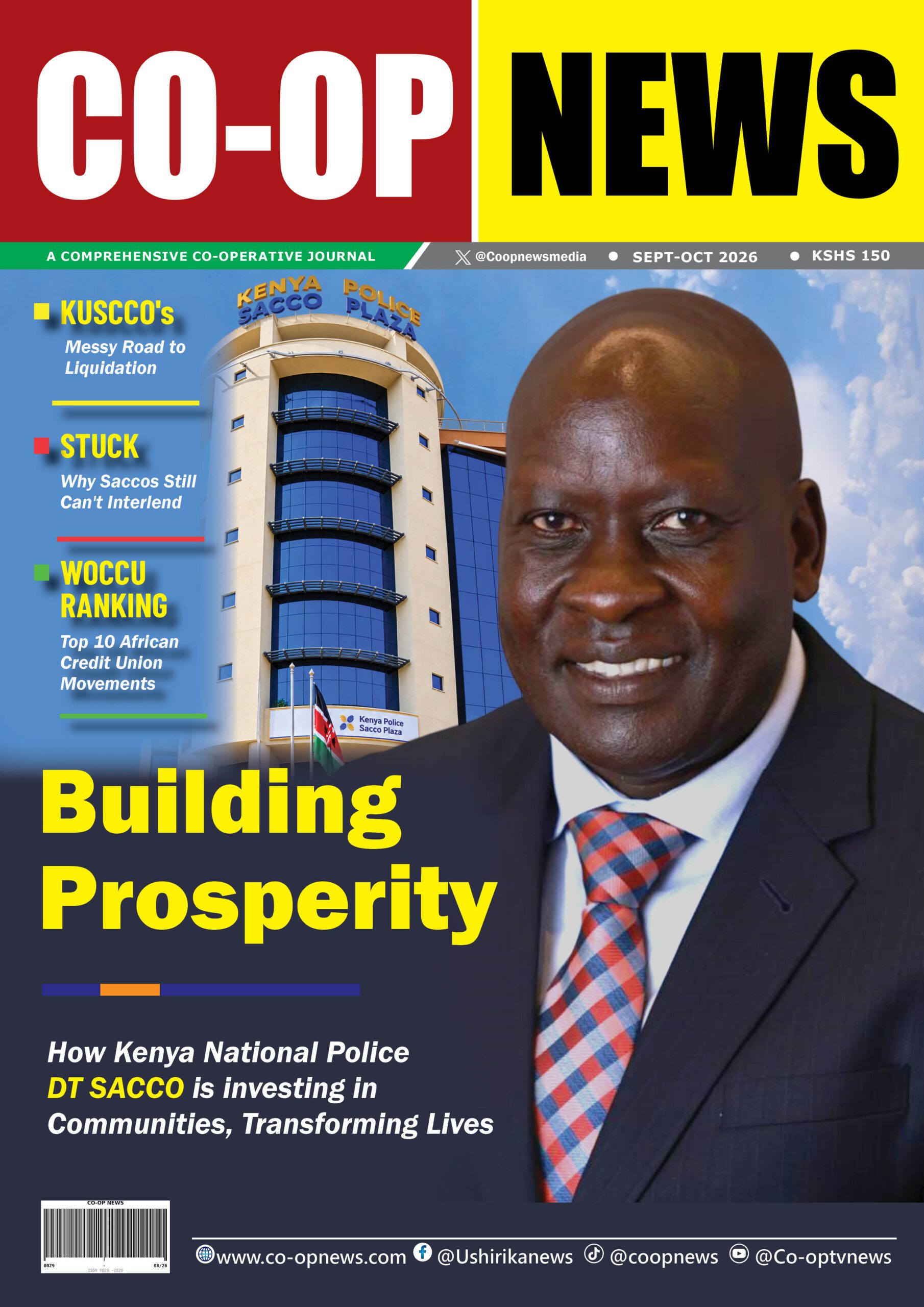
The Committee states that current governance failures in Kenya suggest the existing regulatory system is no longer fit for purpose. The KUSCCO crisis served as a stark exposure of deep-rooted lapses, including unauthorized loans, misappropriation of funds, and executive collusion. According to the report, the absence of a robust vetting system has allowed unfit individuals to hold leadership roles unchecked, eroding member trust and threatening the financial stability of these institutions.
Because SACCOs handle billions of shillings in member deposits, leadership must be viewed through the lens of ethical stewardship. A formal approval system would ensure that those at the helm are not only qualified but are also held to a high fiduciary duty that aligns with the interests of the members they serve.
National Reforms
Adopting such a regime, the team notes, would complement the Sacco Societies Regulatory Authority (SASRA) and its evolving mandate toward risk-based supervision. By pre-emptively mitigating governance risks, leadership vetting strengthens the proposed Deposit Guarantee Fund, ensuring that member savings are managed only by trusted hands.
The report further suggests that aligning with international standards like the SMCR will boost Kenya’s credibility in the global cooperative finance market. This positions SACCOs as more legitimate and trustworthy partners for diaspora remittances, fintech collaborations, and cross-border investments. As Kenya pursues legal harmonization across SACCO laws, embedding these leadership protocols becomes a natural and necessary extension of the current reform momentum.
The Proposed Framework
The Committee proposes that a Kenyan version of the Approved Persons Regime be built upon several core pillars:
- A Rigorous “Fit and Proper” Test: Vetting for integrity and financial soundness, supported by police checks for fraud and credit history reviews.
- Role Mapping: The use of clear job descriptions and statements of responsibility to define reporting lines.
- Annual Certification: A requirement for leaders to revalidate their fitness for office every year to ensure ongoing compliance.
- Mandatory Conduct Rules: Ethical standards applicable to everyone within the SACCO, regardless of their position.
- Codified Personal Liability: Ensuring that individuals face tangible consequences for oversight failures or misconduct.
Public Registers
The UK model also highlights the importance of a publicly available register. The FCA’s register details exactly what activities a firm is authorized to undertake and identifies the individuals approved to lead them. For Kenyan SACCOs, a similar register would clarify which institutions are permitted to offer complex products—such as mortgages or investments—and which are restricted to basic deposits and credit.
To further restore confidence in the wake of the KUSCCO fraud, the team suggests that SASRA should consider establishing a National SACCO Sanctions Register. This public database would document individuals formally sanctioned for mismanagement or serious governance breaches. Such a tool would serve as a powerful deterrent, signaling zero tolerance for misconduct and allowing SACCOs to conduct better due diligence when hiring leaders or consultants.
The policy decision to implement both an Approved Persons Regime and a Sanctions Register would represent a transformative step for Kenya. By combining these transparency tools with ongoing legal reforms and risk-based supervision, the sector can secure its future as a trustworthy vehicle for inclusive finance and national development.
“A policy decision to implement both an Approved Persons Register and a Sanctions Register would complement ongoing reforms in legal harmonization, risk-based supervision, and digital infrastructure—positioning SACCOs as trustworthy vehicles for inclusive finance and national development.”
— The Committee of Experts