
President Ruto to Launch the Animal Feed Plant as Meru Dairy Targets One Million Litres Daily
President William Ruto will on Saturday launch the Sh500 million Mitunguu Animal Feed Production Factory, as the Meru Dairy Cooperative Union announces it has put in place mechanisms to guarantee a steady supply of raw materials.
Meru Dairy Cooperative Union Chief Executive Officer Kenneth Gitonga said the factory, which cost approximately Sh500 million to construct, will lower the cost of animal feeds and boost milk production. He noted that President Ruto contributed Sh200 million towards the project’s construction.
Gitonga said the union had already put measures in place to ensure a reliable supply of raw materials for the factory, noting that it would have been pointless to establish the plant without a sustainable source of inputs. The facility is targeting daily milk production of one million litres by the end of the year.
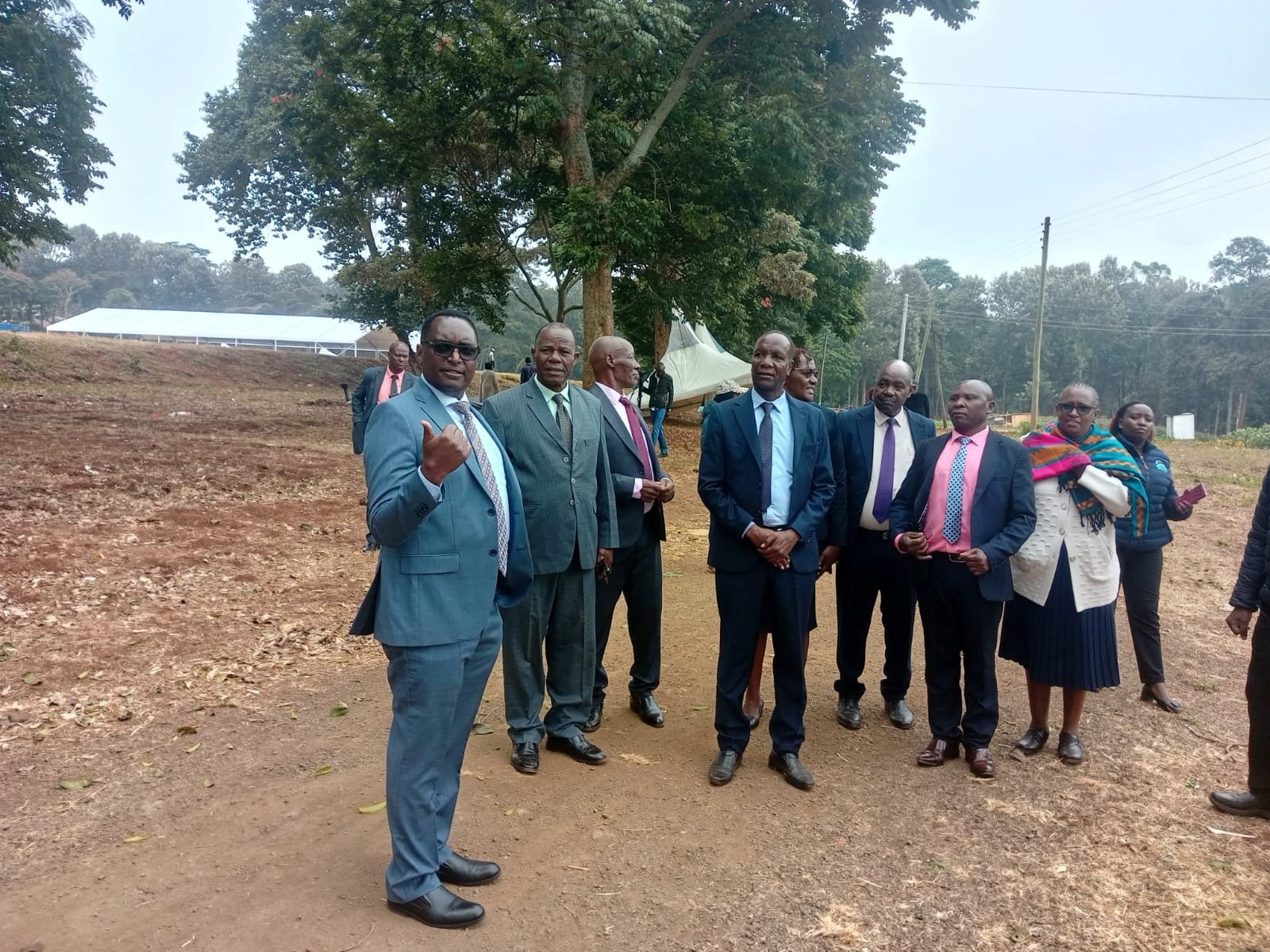
Speaking during an inspection of preparations for the 11th Annual Meru Dairy Farmers Field Day at Gitooro Showground in Meru Town, Gitonga said more than 4,500 farmers had confirmed attendance at the event, which brings together dairy farmers, government officials, and industry stakeholders to discuss challenges facing the sector and explore solutions.
“We meet farmers every year to review the challenges they have faced and chart the way forward. Today we inspected the exhibition stands to ensure everything is ready for Saturday’s event,” he said.
Gitonga said the cooperative expects milk intake to reach one million litres per day by the end of the year, up from the current 670,000 litres — a significant rise from the 10 to 20 litres recorded when the union was first established.
He attributed the growth to improved dairy farming practices and government support, adding that the union plans to expand exports beyond Comoros to other regional markets.
The CEO said farmers would soon be able to access quality animal feeds at affordable prices once the Mitunguu factory becomes operational, reducing production costs and improving profitability.
He also credited the government’s subsidised sexed semen programme for improving dairy breeds, noting that the cost per dose had dropped from Sh7,000 to Sh1,400, leading to increased demand. Calves born through the pilot programme will be showcased during Saturday’s field day.
Gitonga appealed to both the national and county governments to help secure more export markets for Kenyan milk and dairy products.
He added that the cooperative had introduced a quality-based payment system, under which farmers are paid according to the quality of milk they deliver — a move aimed at improving standards and competitiveness in the dairy industry.